


How Technology Used by Police Can Affect Criminal Cases
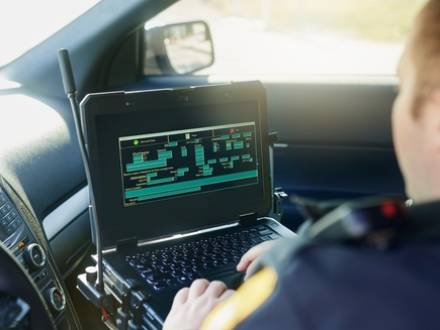 As technology continues to improve, it has reshaped many aspects of people’s lives. While this has provided people with many benefits, it has also introduced new risks, including concerns about privacy. One of the key privacy-related issues that has come to the forefront in recent years involves the ways law enforcement can access people’s data and use it to investigate potential crimes and prosecute people for criminal offenses.
As new methods of surveillance become available to police, understanding how data related to people’s movements and activities may affect criminal cases can be crucial for those who are defending against convictions. An attorney who has experience addressing the technological issues that can play a role in criminal prosecutions can provide guidance on the best steps to take to build a strong defense. With the proper legal representation, a person can take steps to address violations of their rights as they work to avoid a criminal conviction.
Addressing Privacy Rights in Criminal Investigations
Criminal justice advocates have highlighted the ways the law is still catching up to how technology is transforming people’s lives. Every day, people use smartphones to communicate with each other, including by making calls and sending text messages. They use GPS apps to determine how to get to different destinations. They search for information online and use artificial intelligence (AI) to answer questions and help them make decisions. All of these activities leave a data trail.
In recent years, more people have raised concerns about how the data being collected is being used. Data brokers gather and process this data, and they resell it to other companies, who may use it for advertising purposes, market research, and more. Data can also be provided to law enforcement, and many people may not realize how much information about them may be available when police officers are investigating crimes and building cases against suspects.
At the same time, new tools are being made available to law enforcement that may allow officers to gather a great deal of information about people, reaching into aspects of their lives that they thought were private. Many police departments use cameras that read vehicles’ license plates, allowing them to track people’s movements as officers investigate crimes. Officers may also use facial recognition technology as they process images captured by security cameras, and this may help them identify suspects. AI tools have also been made available to law enforcement that allow vast amounts of data to be processed, narrowing down potential suspects and gathering information that could be used as evidence.
In a recent webinar presented by the Council on Criminal Justice titled "Policing in the Digital Age: Balancing Public Safety and Privacy," panelists discussed some of the risks involved in the use of emerging technologies by law enforcement. They noted the importance of protecting people’s rights as these technologies are used. These include the rights provided under the Fourth Amendment, which states that Americans should not be subjected to unreasonable searches by law enforcement.
While people who discuss these issues often state that there needs to be a balance between maintaining public safety and protecting people’s civil liberties, Jumana Musa, the Director of the Fourth Amendment Center at the National Association of Criminal Defense Lawyers, explained that this is an incorrect framing of the purpose of the Fourth Amendment. The Founding Fathers were looking to put restrictions in place to prevent the government from taking unreasonable actions as it reviews details about people’s personal lives. While the Founding Fathers could never have imagined the technologies currently being used, such as drones, DNA evidence, or facial recognition, they took steps to protect people against unlawful searches, and the rights provided under the Fourth Amendment supersede concerns about whether surveillance may be necessary to protect public safety.
The U.S. Supreme Court has taken some steps to address the use of technology by law enforcement. In its 2019 decision in the case of Carpenter v. United States, the Supreme Court ruled that collecting cell phone location information from a wireless carrier without a search warrant is a violation of the Fourth Amendment. While this has provided some protection against unreasonable searches and surveillance involving the use of people’s data, there are many other technologies being used by law enforcement that may need to be addressed in future court cases or by the passage of new laws.
Contact Our Hartford Criminal Defense Lawyers
At Woolf & Ross Law Firm, LLC, our lawyers understand the role that technology plays in criminal cases in the 21st century. We can review the evidence in a case and determine whether police officers violated a defendant’s rights during an investigation. We will work to defend against convictions while protecting our clients against unreasonable searches and other types of Fourth Amendment violations. Contact our Connecticut criminal defense attorneys at 860-290-8690 to schedule a free consultation.
Rocky Hill Office
2049 Silas Deane Hwy, Suite 203
Rocky Hill, CT 06067
P 860-290-8690

Free Consultations 860-290-8690


